
Oil
Baghdad seizes Kurdish oil exports, market reacts
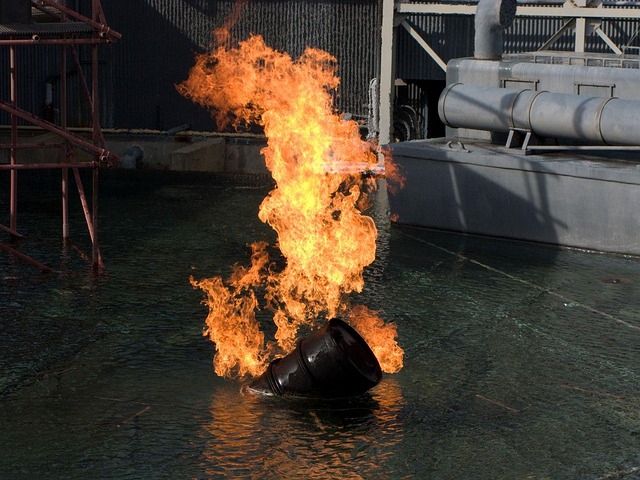
On November 24, 2026 Baghdad ordered federal control of all Kurdish oil exports and border crossings, pushing oil prices up over 2% amid supply concerns.
Key takeaways
- On November 24, 2026 Prime Minister Ali al‑Zaidi ordered all Kurdish border crossings to be transferred to the federal Border Ports Authority.
- Iraq’s Federal Supreme Court ruled that borders, customs and oil export oversight belong to the federal government.
- Federal border forces closed two KRG‑run crossings with Syria and Iran on November 26, 2026.
- Oil prices rose more than 2% as markets priced in potential supply cuts from Kurdish fields.
On November 24, 2026 Prime Minister Ali al‑Zaidi signed a decree that places every border crossing and oilfield under Kurdish security control under the authority of the federal Border Ports Authority. The decree also bars the Kurdistan Regional Government (KRG) from approving oil exports, forcing all shipments to go through the federal oil ministry. The Iraqi Federal Supreme Court, acting on Zaidi’s request, affirmed that borders, customs and export oversight belong to the central government and limited KRG authority to the territory it administered on March 19, 2003.
Immediate impact on oil prices and supply flows
The announcement sent Brent and WTI crude up by more than 2% as traders priced in the risk of reduced supply from the Kurdish region, which contributes roughly 1.5 million barrels per day to Iraq’s total output. The loss of independent Kurdish export capacity could shave 10‑15% off Iraq’s export volume in the short term, prompting buyers to look for alternative sources from Saudi Arabia or new projects in Africa.
Analysts note that the move creates an immediate supply‑side shock, especially as other Middle‑East tensions persist. The market’s near‑term support level for Brent sits around $84 a barrel, while a strong resistance is seen near $92, levels that could be tested if the supply squeeze deepens.
Mechanics of the takeover and key fields
Baghdad’s order not only transfers border control but also places the oilfields in Kirkuk, Nineveh, Salahuddin and Diyala—including the Khormala field, the largest Kurdish‑controlled asset—under the federal oil ministry. This centralisation aims to unify revenue collection but puts Kurdish operators, who have invested heavily in infrastructure and export contracts, at a disadvantage.
The decree limits KRG authority to the borders it held as of March 19, 2003, effectively stripping it of the ability to sign export deals independently. The federal border forces subsequently shut two KRG‑run crossings with Syria and Iran on November 26, 2026, tightening the physical control over oil flows.
Geopolitical backdrop and next steps
The decision follows a federal deployment to Jurf al‑Sakhar on November 20, 2026, to displace the Kataib Hezbollah militia amid a smuggling probe, a move brokered with Iran’s Quds Force commander Esmail Qaani and endorsed by the Shiite Coordination Framework. The Kurdish Democratic Party (KDP) and the Patriotic Union of Kurdistan (PUK) jointly labeled the measures a red line.
Iraq’s political leaders have agreed to launch a national dialogue on December 1, 2026, while a court hearing on December 14, 2026 will consider a suit to declare Masrour Barzani’s cabinet a caretaker government. The outcome of these talks will be closely watched for clues on whether Kurdish oil operations can resume under a new framework.
What traders should monitor
In the coming weeks, market participants will focus on: (i) the results of the national dialogue on December 1, 2026, (ii) OPEC+ weekly production reports for any revisions to Iraq’s output, and (iii) supply‑side responses from Saudi Arabia, the UAE and other regional exporters looking to fill any gaps left by Kurdish fields.
- 24/11/2026 – Decree transferring all KRG border crossings to the federal Border Ports Authority
- 26/11/2026 – Federal forces close two KRG‑run crossings with Syria and Iran
- 01/12/2026 – National dialogue between Baghdad and Erbil begins
- 14/12/2026 – Supreme Court hearing on the status of Barzani’s cabinet
Frequently asked questions
How did Baghdad take control of Kurdish border crossings?
Prime Minister Ali al‑Zaidi signed a decree on November 24, 2026 that transferred every Kurdish crossing to the federal Border Ports Authority and prohibited the KRG from approving exports. Federal border forces then closed two KRG‑run crossings with Syria and Iran on November 26, 2026.
What was the immediate effect on global oil prices?
The news lifted Brent and WTI crude by more than 2% as markets priced in the risk of a supply reduction from the Kurdish region, which normally supplies about 1.5 million barrels per day of Iraq’s total output.
Official data sources
More from Phát Đàm Group
This article is compiled from international market news sources, for reference only, and is not investment advice.
Cover photo: PublicDomainPictures / Pixabay